Renting a property in Dubai is straight forward until it isn’t. A disagreement over rent, a refused deposit refund, a
x
srksolutions.ae

Rental Disputes in Dubai: What Every Landlord and Tenant Must Know Before It Gets Worse
- Home
- Rental Disputes in Dubai: What Every Landlord and Tenant Must Know Before It Gets Worse
Rental Dispute
 By SRK Solutions
October 07, 2026

📍 العنوان:
الروابط الداخلية المقترحة:
Rental Disputes in Dubai: What Every Landlord and Tenant Must Know Before It Gets Worse
 By SRK Solutions
October 07, 2026
Renting a property in Dubai is straight forward until it isn’t. A disagreement over rent, a refused deposit refund, a surprise eviction notice, or a landlord who stops responding to maintenance calls can turn a peaceful tenancy into a stressful ordeal. The good news is that Dubai has one of the most clearly structured legal frameworks in the region for exactly these situations. The challenge is knowing how it works and when to use it.
The Rental Disputes Centre established under Decree No. 26 of 2013 is the dedicated judicial body under the Dubai Land Department that handles all landlord-tenant disputes in the emirate. It is not just a complaints desk. It is a specialist legal tribunal with the authority to issue binding judgments, enforce decisions, and protect the rights of both sides of the tenancy relationship.
Whether you are a tenant whose landlord is demanding a rent increase that does not match the RERA Rental Index or a landlord whose tenant has stopped paying and refuses to vacate, the path forward exists but only if you know where to stand legally before you take a step.
The Legal Foundation: What Governs Renting in Dubai Here
Dubai’s rental market operates under three primary legal instruments that every landlord and tenant should be aware of. Law No. 26 of 2007 sets the foundational rights and obligations for both parties. Law No. 33 of 2008 brought significant amendments, particularly around tenancy renewal rights and eviction grounds. Decree No. 43 of 2013 governs how rent increases are calculated and capped during renewals, anchored to the RERA Smart Rental Index.
These laws apply across residential and commercial properties in Dubai and importantly, they extend into most free zones unless the free zone has its own dedicated judicial committee. Understanding which law applies to your situation is the first thing a competent adviser will establish before any action is taken.
These laws apply across residential and commercial properties in Dubai and importantly, they extend into most free zones unless the free zone has its own dedicated judicial committee. Understanding which law applies to your situation is the first thing a competent adviser will establish before any action is taken.
Situations Tenants Face—and What the Law Actually Says
'My landlord just sent me an eviction notice. Do I have to leave?'
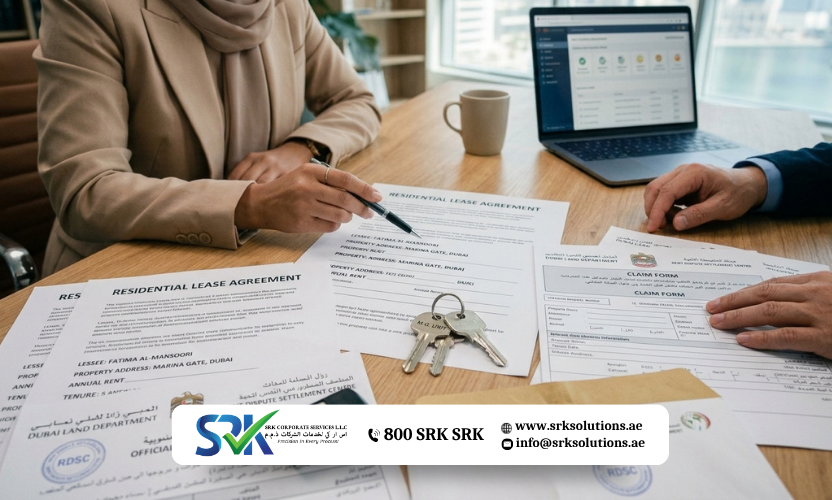
This is one of the most common questions tenants bring to us, and the answer almost always surprises them: not immediately, and not without legal grounds. Under Dubai tenancy law, a landlord cannot simply decide not to renew a lease and ask a tenant to vacate. The law lists a specific, limited set of grounds under which a landlord may legitimately seek eviction and even then, a 12-month notice served through a notary public is generally required.
Those grounds include the landlord requiring the property for personal use or for a first-degree relative, the landlord intending to sell the property, or the property requiring structural renovation or demolition. If none of those conditions apply and the landlord has not served proper notice through the correct legal channel, the eviction notice may carry no legal weight at all.
If you have received an eviction notice and are unsure whether it is valid, getting proper guidance before responding or before leaving is essential. Tenants who vacate unnecessarily often lose their right to challenge the notice afterwards.
'My rent is being increased by 20%. Can they do that?'
Rent increases in Dubai are not left to the landlord’s discretion. They are governed by the RERA Rental Index, which compares the current rent being paid with the average market rate for similar properties in the same area. Decree No. 43 of 2013 sets the permissible increase percentages based on how far below market rate the current rent sits. A landlord must also give 90 days’ prior written notice before any rent increase takes effect.
If a landlord is demanding a percentage increase that exceeds what the index permits or has
Not given the required notice period, the tenant has the right to dispute it at the RDC. The tribunal will assess the RERA Index data and rule accordingly. No verbal agreement, no WhatsApp message, and no clause in the tenancy contract can override what the law specifies on rent increases.
'My landlord is refusing to return my security deposit.'
Security deposit disputes are among the most frequently filed cases at the RDC. The law is clear: a landlord may only make deductions from a security deposit for damage that goes beyond normal wear and tear and is directly caused by the tenant. General deterioration of paint, fittings, or fixtures that results from reasonable use over a tenancy period does not constitute tenant-caused damage.
If a landlord refuses to return a deposit in full and cannot substantiate the deductions with documented evidence of tenant-caused damage, the tenant has strong grounds to file a claim. The RDC will examine the contract, any handover reports, and photographic evidence from both sides before ruling.
If a landlord refuses to return a deposit in full and cannot substantiate the deductions with documented evidence of tenant-caused damage, the tenant has strong grounds to file a claim. The RDC will examine the contract, any handover reports, and photographic evidence from both sides before ruling.
'The landlord is not doing any maintenance. The property is deteriorating.'
The legal responsibility for maintaining a rental property in a condition that allows the tenant to use it as intended sits with the landlord throughout the tenancy, not just at the point of handover. This includes structural repairs, plumbing, electrical systems, and any defects that affect the property’s core functionality. Ordinary wear and tear is expected; leaving a property indisrepair is not.
If a landlord is unresponsive to documented maintenance requests, a tenant can escalate the matter through RERA or file a complaint with the RDC. Keeping records of every maintenance request date, message, and response significantly strengthens any claim.
If a landlord is unresponsive to documented maintenance requests, a tenant can escalate the matter through RERA or file a complaint with the RDC. Keeping records of every maintenance request date, message, and response significantly strengthens any claim.

Situations Landlords Face and Where the Law Stands
'My tenant hasn't paid rent for months and won't respond.'
A non-paying tenant is one of the most damaging situations a landlord can face, particularly in a market where rental income may be tied to mortgage obligations or other financial commitments. The RDC handles rent recovery claims as a priority category, and landlords can
file for both recovery of overdue rent and an eviction order simultaneously.
The process matters, though. A landlord who attempts a self-help eviction, cutting utilities, locking the property, or removing a tenant’s belongings without a court order is in violation of Dubai law and could face counterclaims that undermine the legitimate case. Every step must go through proper legal channels.
'I gave 12 months' notice to move in myself, but the tenant is refusing toleave.'
If a landlord has followed the legal process correctly—served a proper 12-month eviction notice through a notary public, stated the correct grounds, and the notice period has expired—a tenant who refuses to vacate is in violation of the RDC’s jurisdiction. The landlord can file enforcement of the eviction at the RDC, and the center has the authority to issue an enforcement order.
Where landlords often run into problems is in the initial notice. Notices served via WhatsApp, email, or even registered post do not meet the Notary Public requirement under Dubai law. An invalid notice means the clock never started, and the landlord must restart the process entirely.
Where landlords often run into problems is in the initial notice. Notices served via WhatsApp, email, or even registered post do not meet the Notary Public requirement under Dubai law. An invalid notice means the clock never started, and the landlord must restart the process entirely.
'My tenant has sublet the property without permission.'
Unauthorized subletting is a breach of the tenancy contract and potentially of Dubai tenancy law. If a landlord discovers that a tenant has sublet all or part of the property to a third party without written consent, this can form grounds for termination of the tenancy and eviction. The landlord should document the situation carefully before approaching the RDC.
'I want to sell my property, but the tenant refuses to cooperate withviewings.'
A landlord’s right to sell a property does not automatically override a tenant’s right to peacefulenjoyment during the tenancy. However, with proper notice and within the terms of the contract,a landlord can arrange viewings with reasonable prior notice. If a tenant is obstructing legitimateaccess, the situation can be addressed through mediation at the RDC before escalating to aformal dispute.

Ejari: Why a Piece of Paper Can Decide Everything
Ejari is Dubai’s mandatory tenancy contract registration system operated under the Dubai Land Department. Every residential and commercial tenancy in Dubai is legally required to be registered through Ejari. Without it, the tenancy contract may not be enforceable before the RDC, cannot be used for utility connections, and cannot support a residency visa application linked to the property.
Ejari disputes arise more often than many landlords and tenants expect. A landlord who refuses to help register the Ejari, delays renewal of registration, or cancels the Ejari without the tenant’s knowledge creates legal complications that can cascade into larger disputes. Similarly, a tenant who does not ensure their Ejari is properly registered and current puts their own legal standing at risk.
If your Ejari situation is complicated—whether it involves an uncooperative landlord, a disputed cancellation, or a registration that reflects outdated terms getting this sorted correctly before filing any dispute is critical. The RDC will always check Ejari’s status as part of its case assessment.
Can Children's Name Changes or Personal Status Issues Affect aTenancy?
Occasionally, personal status matters intersect with tenancy situations in ways people do not anticipate. A name discrepancy between a passport, Emirates ID, and tenancy contract—which can arise from a legal name change, a child’s name amendment, or a documentation error—can create complications when either party needs to file at the RDC, as the RDC requires identification documents to match across all submissions.
Similarly, in cases involving divorce, inheritance, or changes in guardianship, the question of who holds the tenancy rights and who can legally act as landlord or tenant can become genuinely complex. These are situations where coordinated legal and document services, not just a property claim, are needed to resolve the situation properly.
Similarly, in cases involving divorce, inheritance, or changes in guardianship, the question of who holds the tenancy rights and who can legally act as landlord or tenant can become genuinely complex. These are situations where coordinated legal and document services, not just a property claim, are needed to resolve the situation properly.
The RDC follows a structured process that begins with a mediation phase, giving both parties an opportunity to reach a resolution before the case proceeds to a judge. If mediation does not produce an agreement, the case moves to a first-instance hearing where evidence is presented and a judgment is issued. Either party can then file for reconsideration within 30 days of an judgment issued in their presence.
What most people underestimate is the documentation. The RDC expects both parties to arrive with complete, organized evidence: the registered tenancy contract, Ejari certificate, payment records, communication logs, photographs, handover reports, and any relevant notices. Cases that are poorly documented, even when the underlying claim is legitimate, can take significantly longer to resolve or produce unfavorable outcomes.
What most people underestimate is the documentation. The RDC expects both parties to arrive with complete, organized evidence: the registered tenancy contract, Ejari certificate, payment records, communication logs, photographs, handover reports, and any relevant notices. Cases that are poorly documented, even when the underlying claim is legitimate, can take significantly longer to resolve or produce unfavorable outcomes.
Frequently Asked Questions—Rental Disputes Dubai
Q: Can a landlord evict a tenant without going to the RDC?
A: No. Self-help eviction—such as removing a tenant’s belongings, changing locks, or cutting utilities—is illegal under Dubai law. All evictions must follow the legal process through the Rental Disputes Centre, including a properly served 12-month notice through a Notary Public where applicable.
Q: What happens if my tenancy contract is not registered on Ejari?
A: An unregistered contract significantly weakens your legal standing at the RDC. It may also affect your ability to connect utilities, apply for a residency visa, or enforce any of the contract’s terms. Registering Ejari should be the first priority regardless of any dispute.
Q: My landlord sent me an eviction notice by WhatsApp. Is that valid?
A: Under Dubai law, notices of eviction must be served through a notary public or through the courts to be legally valid. A WhatsApp message, email, or verbal notice does not meet this requirement, which means the notice period it refers to may not have legally begun.
Q: How does the RERA Rental Index work for rent increase disputes?
A: The RERA Smart Rental Index compares the rent you are currently paying with the average market rate for similar properties in your area. Decree No. 43 of 2013 caps how much a landlord can increase rent based on this comparison. If the increase demanded exceeds the cap, you have grounds to challenge it at the RDC.
Q: Can a tenant be evicted immediately for non-payment?
A: Not immediately. Even in cases of non-payment, the landlord must follow the legal process: serve a formal notice, allow a response period, and file at the RDC if the matter is unresolved. The RDC will then adjudicate and issue enforcement orders as appropriate.
Q: If I lose my case at the RDC, can I appeal?
A: Yes. Either party can apply for reconsideration a writ of certiorari within 30 days of the judgment if issued in their presence. There is also an appeals process for cases that meet the threshold for further review.
Q: Can a landlord refuse to renew my Ejari?
A: A landlord who refuses to cooperate with Ejari renewal when the tenancy continues is creating a legal problem for both parties. This can be raised as a complaint with RERA or the RDC, as Ejari registration is a legal obligation, not a landlord’s choice.
Q: Does the RDC handle commercial tenancy disputes as well?
A: Yes. The RDC has jurisdiction over both residential and commercial tenancy disputes in Dubai, including jointly owned property matters, subject to certain free zone exceptions where separate judicial committees apply.
Need Expert Guidance? SRK Corporate Services Is Here.
Our team handles every detail so you don't have to. Reach out today for a confidential consultation.
✉ info@srksolutions.ae
Dubai Creek Tower, 9th Floor, Riggat Al Buteen, Deira, Dubai, UAE
نزاعات الإيجار في دبي: ما يجب على كل مالك ومستأجر معرفته قبل أن تتفاقم المشكلة
استئجار عقار في دبي أمر بسيط في العادة، حتى تبدأ المشكلة.
خلاف على قيمة الإيجار، أو رفض المالك إعادة مبلغ التأمين، أو تلقي إشعار مفاجئ بالإخلاء، أو توقف المالك عن الرد على طلبات الصيانة؛ كلها أمور يمكن أن تحول علاقة إيجارية هادئة إلى مشكلة مرهقة.
والخبر الجيد أن دبي لديها إطار قانوني واضح ومنظم للتعامل مع هذه الحالات. لكن التحدي الحقيقي هو معرفة ما هي حقوقك، وما هو الإجراء الصحيح، ومتى يجب اللجوء إلى الجهة المختصة.
يُعد مركز فض المنازعات الإيجارية (RDC)، الذي أُنشئ بموجب المرسوم رقم 26 لسنة 2013، الجهة القضائية المتخصصة التابعة لدائرة الأراضي والأملاك في دبي للنظر في المنازعات بين المؤجرين والمستأجرين في الإمارة.
والمركز ليس مجرد مكتب لتقديم الشكاوى، بل جهة قضائية متخصصة تملك صلاحية إصدار الأحكام الملزمة واتخاذ إجراءات التنفيذ وحماية حقوق طرفي العلاقة الإيجارية.
سواء كنت مستأجرًا يطلب منك مالك العقار زيادة في الإيجار لا تتوافق مع مؤشر إيجارات ريرا، أو مالكًا يواجه مستأجرًا توقف عن دفع الإيجار ويرفض إخلاء العقار، فهناك مسار قانوني واضح للتعامل مع المشكلة.
لكن يجب معرفة موقفك القانوني قبل اتخاذ أي خطوة.
الأساس القانوني: ما القوانين التي تنظم الإيجارات في دبي؟
تخضع العلاقة الإيجارية في دبي لعدد من التشريعات الرئيسية التي يجب على كل مالك ومستأجر معرفتها.
القانون رقم 26 لسنة 2007
يحدد هذا القانون الإطار الأساسي لحقوق والتزامات المؤجر والمستأجر في دبي.
القانون رقم 33 لسنة 2008
أدخل تعديلات مهمة على قانون الإيجارات، خصوصًا فيما يتعلق بتجديد عقود الإيجار وأسباب الإخلاء.
المرسوم رقم 43 لسنة 2013
ينظم الزيادات الإيجارية ويحدد النسب المسموح بها عند تجديد عقد الإيجار، بالاستناد إلى مؤشر ريرا الإيجاري.
وتنطبق هذه التشريعات على العقارات السكنية والتجارية في دبي، مع وجود بعض الاستثناءات المتعلقة ببعض المناطق الحرة التي قد يكون لديها لجان أو جهات قضائية خاصة بها.
ولهذا، فإن تحديد القانون والجهة المختصة قبل بدء أي إجراء هو الخطوة الأولى في التعامل الصحيح مع النزاع.
مواقف يواجهها المستأجرون — وماذا يقول القانون؟
“المالك أرسل لي إشعار إخلاء. هل يجب أن أغادر؟“
هذا من أكثر الأسئلة شيوعًا.
والإجابة غالبًا ليست: نعم، فورًا.
بموجب قوانين الإيجارات في دبي، لا يستطيع المالك ببساطة أن يقرر عدم تجديد العقد ويطلب من المستأجر مغادرة العقار دون الالتزام بالمتطلبات القانونية.
هناك أسباب محددة يمكن للمالك الاستناد إليها لطلب الإخلاء، ومنها:
- رغبة المالك في استخدام العقار للسكن الشخصي.
- رغبة المالك في إسكان أحد أقاربه من الدرجة الأولى.
- رغبة المالك في بيع العقار.
- حاجة العقار إلى أعمال هدم أو إعادة بناء أو ترميم جوهري وفق الشروط القانونية.
وفي الحالات التي ينطبق عليها الإشعار القانوني بالإخلاء، يكون إشعار الـ12 شهرًا من المتطلبات الأساسية، ويجب تقديمه بالطريقة القانونية الصحيحة، بما في ذلك التبليغ عن طريق كاتب العدل عند الاقتضاء.
إذا تلقيت إشعار إخلاء ولست متأكدًا من صحته، فمن الأفضل الحصول على استشارة قانونية قبل مغادرة العقار.
لأن مغادرة المستأجر للعقار دون التحقق من الوضع القانوني قد تؤثر على قدرته على الاعتراض أو المطالبة بحقوقه لاحقًا.
“المالك يريد زيادة الإيجار بنسبة 20%. هل يستطيع ذلك؟“
لا يستطيع المالك تحديد نسبة الزيادة بشكل عشوائي.
تخضع الزيادات الإيجارية في دبي للقواعد المرتبطة بـ مؤشر ريرا الإيجاري.
ويتم النظر إلى الإيجار الحالي للعقار ومقارنته بمستويات الإيجارات للعقارات المماثلة في المنطقة، ومن ثم تحديد نسبة الزيادة المسموح بها وفقًا للأنظمة المعمول بها.
كما يجب الالتزام بمدة الإشعار المطلوبة قبل تطبيق الزيادة.
إذا طلب المالك زيادة تتجاوز النسبة المسموح بها، أو لم يلتزم بمدة الإشعار القانونية، يمكن للمستأجر الاعتراض على الزيادة أمام مركز فض المنازعات الإيجارية.
ولا يكفي أن تكون هناك رسالة عبر واتساب أو اتفاق شفهي بين الطرفين لتجاوز الأحكام القانونية المتعلقة بالزيادة الإيجارية.
“المالك يرفض إعادة مبلغ التأمين.”
تُعد نزاعات مبلغ التأمين (Security Deposit) من النزاعات الشائعة بين الملاك والمستأجرين.
يحق للمالك إجراء خصومات من مبلغ التأمين مقابل الأضرار التي تتجاوز الاستهلاك الطبيعي الناتج عن الاستخدام المعتاد والتي يتحمل المستأجر مسؤوليتها.
لكن التلف الناتج عن الاستخدام الطبيعي للعقار لا يعني بالضرورة أن المستأجر مسؤول عنه.
فعلى سبيل المثال، التدهور الطبيعي في الطلاء أو بعض التجهيزات نتيجة الاستخدام المعتاد خلال فترة الإيجار لا يُعامل بالضرورة باعتباره ضررًا تسبب فيه المستأجر.
إذا رفض المالك إعادة مبلغ التأمين ولم يتمكن من تقديم أساس واضح ومثبت للخصومات، يمكن للمستأجر تقديم مطالبة أمام مركز فض المنازعات الإيجارية.
وقد ينظر المركز في:
- عقد الإيجار.
- محاضر استلام وتسليم العقار.
- صور العقار.
- تقارير الصيانة.
- المراسلات بين الطرفين.
- الأدلة المتعلقة بالأضرار.
“المالك لا يقوم بأعمال الصيانة والعقار بدأ يتدهور.”
تقع مسؤولية صيانة العقار وإبقائه في حالة تسمح للمستأجر باستخدامه وفق الغرض المتفق عليه على عاتق المالك، بحسب طبيعة الإصلاح ومتطلبات العقد والقانون.
وقد تشمل مسؤوليات المالك، بحسب الحالة:
- الإصلاحات الإنشائية.
- أعمال السباكة الرئيسية.
- الأنظمة الكهربائية.
- العيوب التي تؤثر على الاستخدام الأساسي للعقار.
- الإصلاحات الجوهرية التي لا يتحملها المستأجر بموجب العقد والقانون.
إذا تجاهل المالك طلبات الصيانة بشكل مستمر، فمن المهم جدًا أن يحتفظ المستأجر بسجل كامل للمراسلات.
احتفظ بـ:
- تاريخ تقديم طلب الصيانة.
- الرسائل.
- الصور.
- مقاطع الفيديو عند الحاجة.
- ردود المالك أو شركة الإدارة.
- فواتير الإصلاحات إن وجدت.
هذه المستندات قد تكون مهمة جدًا عند تقديم مطالبة أو شكوى.
مواقف يواجهها الملاك — وما هو موقف القانون؟
“المستأجر لم يدفع الإيجار منذ عدة أشهر ولا يرد عليّ.”
يُعد عدم دفع الإيجار من أكثر المواقف صعوبة بالنسبة للمالك.
يمكن للمالك اللجوء إلى مركز فض المنازعات الإيجارية للمطالبة بالمبالغ المستحقة، وقد يطلب الإخلاء وفقًا للظروف والإجراءات القانونية.
لكن هناك خطأ يجب على المالك تجنبه تمامًا:
لا تقم بالإخلاء بنفسك.
لا يجوز للمالك، دون اتباع الإجراءات القانونية، أن:
- يغير أقفال العقار.
- يقطع الخدمات الأساسية.
- يخرج ممتلكات المستأجر.
- يمنع المستأجر من دخول العقار.
- يتخذ إجراءات لإجبار المستأجر على المغادرة دون حكم أو أمر قانوني.
هذه التصرفات قد تعرض المالك نفسه للمساءلة وتضعف موقفه القانوني.
يجب اتباع المسار القانوني الصحيح من خلال الجهة المختصة.
“أرسلت إشعارًا لمدة 12 شهرًا لأنني أريد السكن في العقار، لكن المستأجر يرفض المغادرة.”
إذا استوفى المالك جميع المتطلبات القانونية، بما في ذلك:
- وجود سبب قانوني للإخلاء.
- إرسال إشعار الإخلاء بالطريقة الصحيحة.
- الالتزام بمدة الإشعار.
- توضيح سبب الإخلاء.
- انتهاء مدة الإشعار.
ثم رفض المستأجر المغادرة، يستطيع المالك اللجوء إلى مركز فض المنازعات الإيجارية وطلب تنفيذ الإخلاء وفق الإجراءات القانونية.
لكن المشكلة التي يقع فيها بعض الملاك تبدأ من الإشعار نفسه.
إرسال إشعار الإخلاء عبر:
- واتساب.
- البريد الإلكتروني.
- رسالة عادية.
قد لا يكون كافيًا لتحقيق متطلبات التبليغ القانوني في الحالات التي يشترط فيها التبليغ عن طريق كاتب العدل أو بالطريقة المحددة قانونًا.
إذا كان الإشعار غير صحيح، فقد لا تبدأ مدة الـ12 شهرًا من الأساس، مما يعني أن المالك قد يضطر إلى إعادة الإجراءات.
“اكتشفت أن المستأجر يؤجر العقار لشخص آخر دون إذني.”
التأجير من الباطن دون الحصول على الموافقة المطلوبة من المالك قد يشكل مخالفة لشروط عقد الإيجار، وقد يشكل أساسًا لاتخاذ إجراءات قانونية بحسب الظروف.
إذا اكتشف المالك أن المستأجر قام بتأجير العقار أو جزء منه إلى شخص آخر دون الحصول على الموافقة المطلوبة، فمن المهم توثيق الأمر قبل تقديم أي مطالبة.
ويُفضل الاحتفاظ بالأدلة والمراسلات وأي مستندات تثبت الواقعة.
“أريد بيع العقار، لكن المستأجر يرفض السماح للمشترين بمعاينته.”
بيع العقار لا يلغي تلقائيًا حق المستأجر في الانتفاع الهادئ بالعقار طوال مدة الإيجار.
لكن يمكن، وفقًا للعقد والقانون وبالتنسيق المناسب، ترتيب معاينات للعقار مع إعطاء المستأجر إشعارًا مسبقًا معقولًا.
إذا أصبح المستأجر يرفض بشكل مستمر أي معاينة مشروعة، يمكن محاولة حل الأمر وديًا، أو اللجوء إلى مركز فض المنازعات الإيجارية عند الحاجة.
إيجاري: لماذا يمكن لمستند واحد أن يحسم النزاع؟
إيجاري (Ejari) هو نظام تسجيل عقود الإيجار في دبي التابع لدائرة الأراضي والأملاك في دبي.
ويُعد تسجيل عقد الإيجار من خلال إيجاري جزءًا أساسيًا من تنظيم العلاقة الإيجارية في الإمارة.
وجود عقد إيجار مسجل بشكل صحيح يساعد في إثبات العلاقة الإيجارية أمام الجهات المختصة، كما يرتبط بالعديد من الإجراءات الحكومية والخدمية.
وتظهر مشكلات إيجاري في بعض النزاعات عندما:
- يرفض المالك التعاون في التسجيل.
- لا يتم تجديد التسجيل بشكل صحيح.
- توجد بيانات قديمة في العقد.
- يتم إلغاء التسجيل دون معالجة الوضع القانوني للعقد.
- تختلف بيانات العقد عن المستندات الأخرى.
إذا كانت لديك مشكلة تتعلق بإيجاري، فمن الأفضل معالجة وضع التسجيل بشكل صحيح قبل تصعيد النزاع.
هل يمكن أن تؤثر مشكلات تغيير الاسم أو الأحوال الشخصية على عقد الإيجار؟
في بعض الحالات، قد تتداخل مسائل الأحوال الشخصية والمستندات مع النزاعات الإيجارية.
فعلى سبيل المثال، قد يظهر اسم الشخص بشكل مختلف بين:
- جواز السفر.
- الهوية الإماراتية.
- عقد الإيجار.
- إيجاري.
وقد يحدث ذلك نتيجة تغيير قانوني في الاسم أو تعديل اسم طفل أو وجود خطأ في إحدى الوثائق.
هذه الاختلافات قد تسبب مشكلات عند تقديم المستندات إلى مركز فض المنازعات الإيجارية، خصوصًا عندما تكون بيانات الهوية غير متطابقة.
كما يمكن أن تصبح المسألة أكثر تعقيدًا في حالات:
- الطلاق.
- الميراث.
- تغيير الوصاية.
- وفاة أحد أطراف عقد الإيجار.
- انتقال الحقوق القانونية إلى شخص آخر.
في هذه الحالات، قد لا تكون المشكلة مجرد نزاع إيجاري، بل قد تحتاج إلى معالجة قانونية وتوثيقية متكاملة.
تقديم دعوى أمام مركز فض المنازعات الإيجارية: ماذا تتوقع؟
تتبع إجراءات مركز فض المنازعات الإيجارية مسارًا منظمًا.
وقد تبدأ الإجراءات بمحاولة التسوية أو الوساطة بين الطرفين بهدف الوصول إلى حل قبل الانتقال إلى مرحلة الفصل القضائي.
إذا لم يتم التوصل إلى اتفاق، يمكن أن تنتقل القضية إلى مرحلة النظر والفصل فيها، حيث يقدم كل طرف الأدلة والمستندات الخاصة به.
وهنا تظهر أهمية الوثائق.
يجب أن يكون لديك ملف منظم يتضمن، بحسب طبيعة القضية:
- عقد الإيجار.
- شهادة إيجاري.
- إيصالات وتحويلات دفع الإيجار.
- المراسلات.
- رسائل واتساب.
- صور العقار.
- تقارير الصيانة.
- محاضر استلام وتسليم العقار.
- إشعارات الإخلاء.
- أي مستندات أو أدلة أخرى مرتبطة بالنزاع.
القضية القوية ليست فقط قضية لديها حق قانوني، بل قضية تستطيع إثبات هذا الحق بالمستندات.
أهم المراجع القانونية
المرسوم رقم 26 لسنة 2013: إنشاء مركز فض المنازعات الإيجارية وتحديد اختصاصاته.
القانون رقم 26 لسنة 2007: تنظيم العلاقة بين المؤجرين والمستأجرين في إمارة دبي.
القانون رقم 33 لسنة 2008: تعديلات على حقوق المستأجر وأسباب الإخلاء.
المرسوم رقم 43 لسنة 2013: تنظيم الزيادات الإيجارية ونسب الزيادة وفقًا لمؤشر ريرا الإيجاري.
الأسئلة الشائعة — نزاعات الإيجار في دبي
هل يستطيع المالك إخلاء المستأجر دون اللجوء إلى مركز فض المنازعات الإيجارية؟
لا يجوز للمالك القيام بالإخلاء بنفسه، مثل تغيير الأقفال أو قطع الخدمات أو إخراج ممتلكات المستأجر دون اتباع الإجراءات القانونية.
يجب اتباع الإجراءات القانونية المقررة للإخلاء، بما في ذلك الإشعار القانوني عندما يكون مطلوبًا، ثم اللجوء إلى الجهة المختصة عند عدم مغادرة المستأجر.
ماذا يحدث إذا لم يكن عقد الإيجار مسجلًا في إيجاري؟
عدم تسجيل العقد يمكن أن يضعف موقف الطرف المتضرر عند تقديم النزاع، وقد يسبب مشكلات في عدد من الإجراءات المرتبطة بالعقار.
لذلك، من الأفضل التأكد من تسجيل عقد الإيجار بشكل صحيح ومحدث.
أرسل لي المالك إشعار إخلاء عبر واتساب. هل يعتبر صحيحًا؟
إشعار الإخلاء يخضع لمتطلبات قانونية محددة، ولا يكفي الاعتماد على رسالة واتساب أو بريد إلكتروني أو إشعار شفهي عندما يشترط القانون طريقة تبليغ محددة.
يجب التحقق من طريقة التبليغ والسبب والمدة قبل اعتبار الإشعار صحيحًا.
كيف يعمل مؤشر ريرا الإيجاري عند وجود خلاف على زيادة الإيجار؟
يقارن مؤشر ريرا الإيجاري قيمة الإيجار الحالية بمستويات الإيجارات للعقارات المماثلة وفق المنطقة والمعايير المعتمدة.
وبناءً على ذلك، يتم تحديد نسبة الزيادة المسموح بها وفق القواعد القانونية المعمول بها.
إذا تجاوزت الزيادة المطلوبة النسبة المسموح بها، يمكن للمستأجر الاعتراض عليها من خلال مركز فض المنازعات الإيجارية.
هل يمكن إخلاء المستأجر فورًا بسبب عدم دفع الإيجار؟
ليس بالضرورة.
حتى في حالة عدم دفع الإيجار، يجب على المالك اتباع الإجراءات القانونية المطلوبة، بما في ذلك الإشعارات والإجراءات القضائية المناسبة بحسب الحالة.
ولا يجوز للمالك القيام بالإخلاء الذاتي أو قطع الخدمات لإجبار المستأجر على المغادرة.
إذا خسرت القضية أمام مركز فض المنازعات الإيجارية، هل يمكنني الاعتراض؟
قد تكون هناك طرق قانونية للطعن أو طلب المراجعة بحسب نوع القرار والقضية وقيمتها والمرحلة القضائية التي صدرت فيها.
لذلك، يجب مراجعة القرار نفسه والمدة القانونية المتاحة لاتخاذ الإجراء المناسب، لأن المواعيد القانونية مهمة جدًا.
هل يستطيع المالك رفض تجديد إيجاري؟
إذا استمرت العلاقة الإيجارية وكان تسجيل إيجاري يحتاج إلى التجديد، فإن عدم تعاون أحد الطرفين قد يؤدي إلى مشكلة قانونية.
يمكن معالجة الأمر من خلال الجهات المختصة، بحسب طبيعة المشكلة ووضع العقد.
هل ينظر مركز فض المنازعات الإيجارية في النزاعات التجارية أيضًا؟
نعم، يختص المركز بالمنازعات الإيجارية السكنية والتجارية في دبي، مع مراعاة بعض الاستثناءات المتعلقة ببعض المناطق الحرة أو الجهات التي تخضع لنظام قضائي خاص.
تحتاج إلى مساعدة قانونية في نزاع إيجاري؟
SRK Corporate Services يمكنها مساعدتك في التعامل مع إجراءات نزاعات الإيجار في دبي، سواء كنت مالكًا أو مستأجرًا، بدءًا من مراجعة المستندات والعقد، وتقييم الموقف القانوني، وتجهيز الملف، وحتى إجراءات مركز فض المنازعات الإيجارية وإيجاري بحسب طبيعة الحالة.
📞 الرقم المجاني800 775 775
✉ البريد الإلكتروني info@srksolutions.ae
🌐 الموقع الإلكتروني www.srksolutions.ae
📍 العنوان:
برج خور دبي، الطابق التاسع، رقة البطين، ديرة، دبي، الإمارات العربية المتحدة.
ملاحظة ووردبريس — تُحذف قبل النشر
التصنيفات: نزاعات الإيجار، الخدمات القانونية.
الوسوم: مركز فض المنازعات الإيجارية دبي، نزاع إيجاري دبي، حقوق المستأجر في دبي، إخلاء المستأجر دبي، إيجاري دبي، مؤشر ريرا الإيجاري.